
PASSION TO ACTION
A Guide to Climate-Positive Fashion in the Roaring Fork Valley:
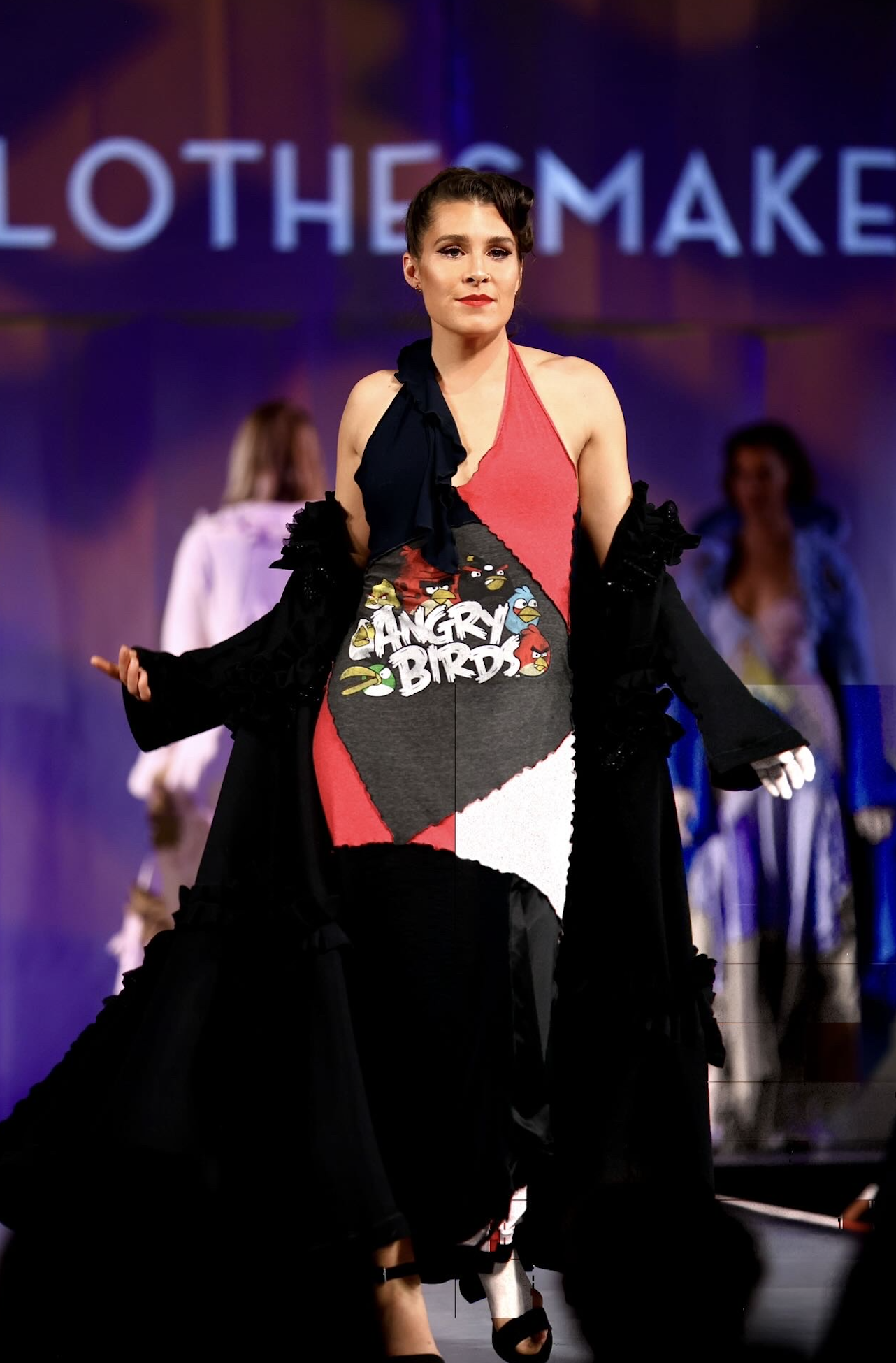
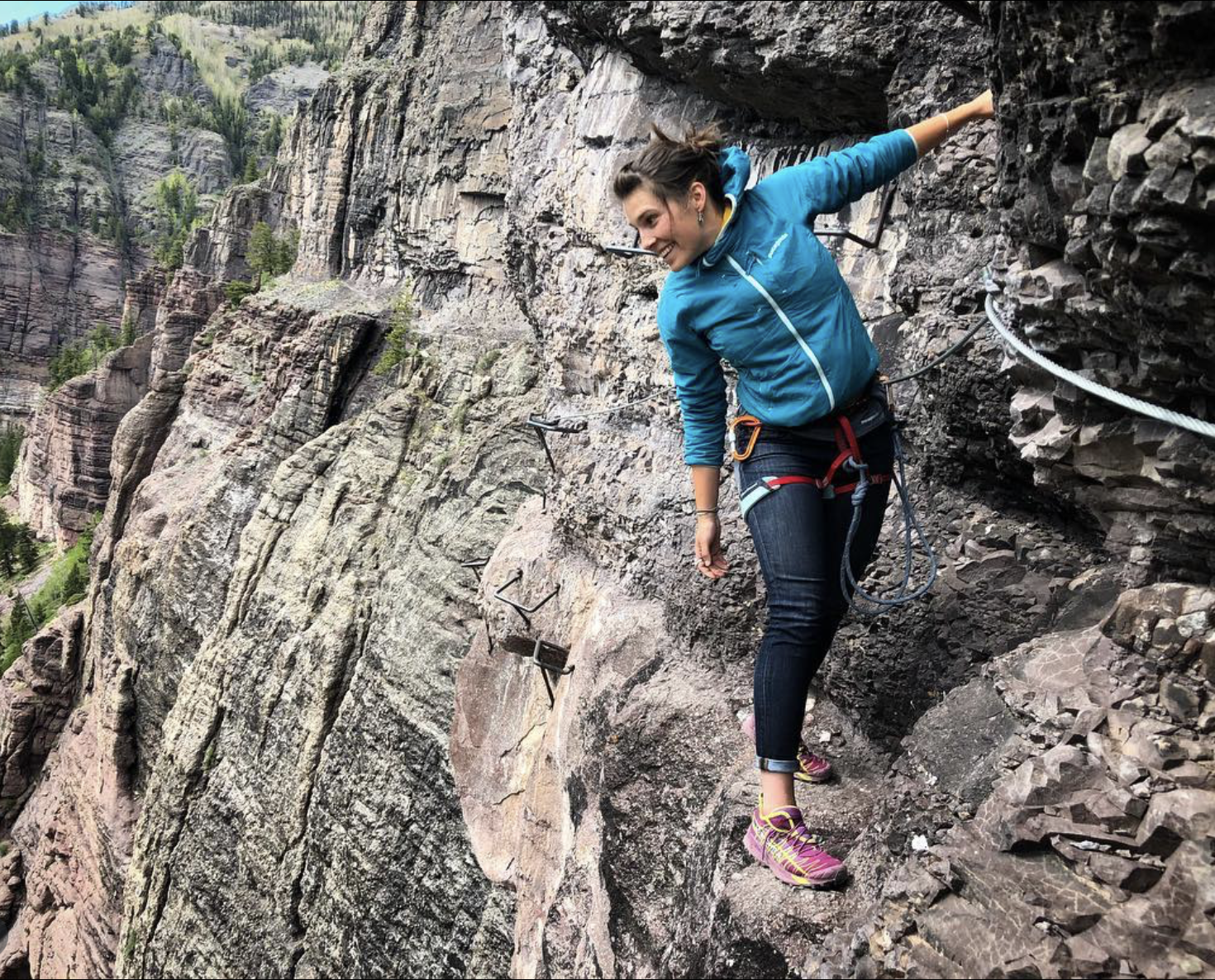
Aisha Weinhold can go from the runway at the Carbondale Fashion show to playfully killing it in the backcountry. Yet, she’s always been a self-proclaimed ‘dork’ about climate and sustainability. When she was 12 years old, Aisha watched a movie about how our skin is our biggest pore, which set off a lifelong obsession about chemicals in fashion. In 2015, she had the opportunity to purchase Ragged Mountain Sports, a Carbondale hub for outdoor gear and clothing, from Jenny Hamilton. Ragged Mountain brought together many of Aisha’s interests: sustainability, community, and adventure. She has since become a sought-after stable in the outdoor and gear community - taking over the helm at Five Point Film Festival and serving on the boards of many sustainability-oriented companies and nonprofits. She has since built Ragged Mountain into a regional crown of the gear community.
AISHA’S STORY
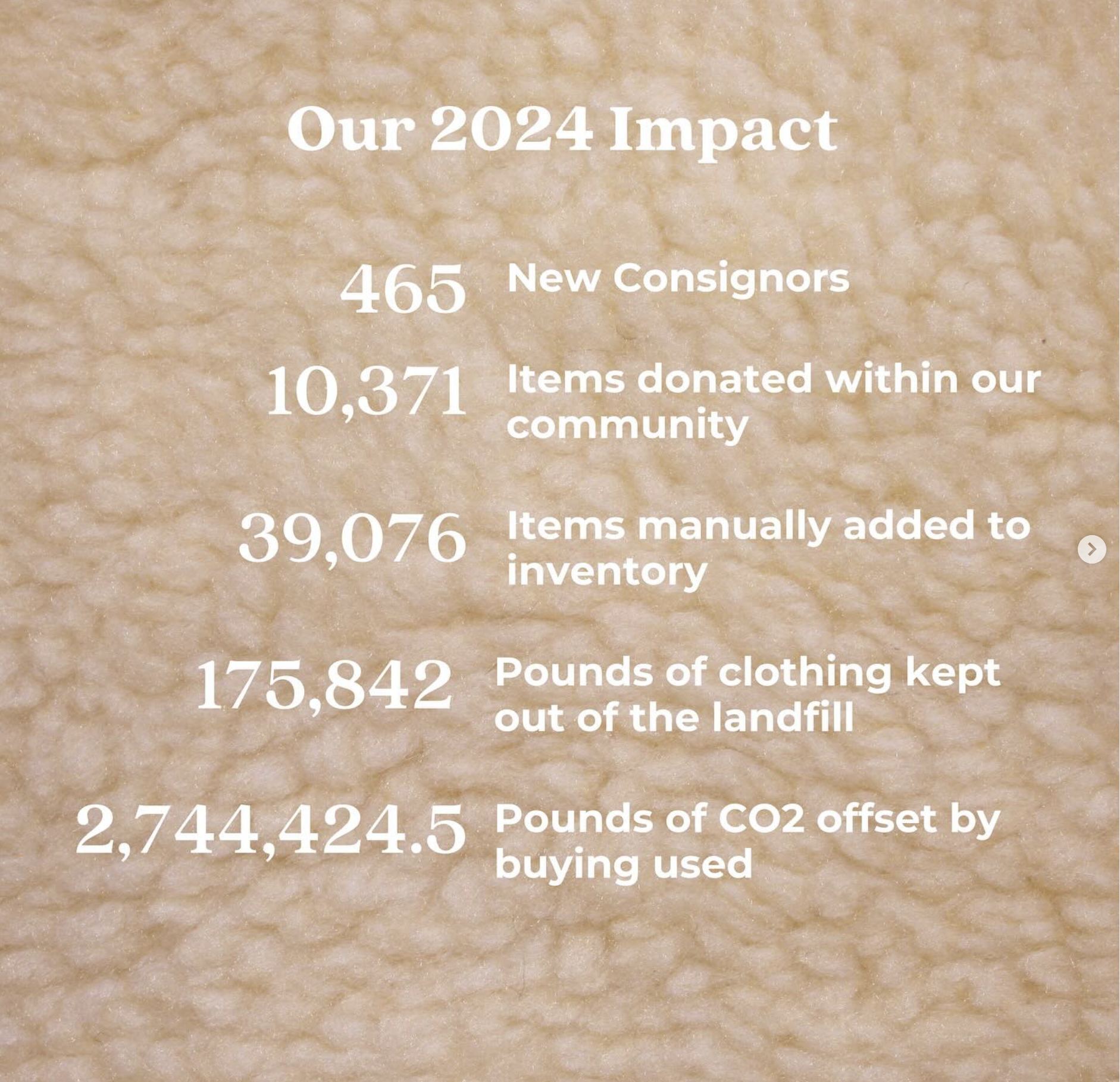
Ragged Mountain now has 9,000 consignors - from kids to billionaires, professional athletes to newbies. To put it in perspective, Carbondale has a population of 10,000, which means the Ragged Mountain community reaches every corner of the Roaring Fork Valley and beyond. That is thousands of people choosing quality-loved use gear over accumulated new plastics, chemicals, and shipping and manufacturing emissions. Through this journey, Aisha has learned intimately what it takes to gear up sustainably.
"I think it’s this really interesting lie that we've been fed, that when you get the correct gear, that is when the sport will come easily to you. ... It's not, I don't need the best equipment to start. I can actually just start with what's available to me."
Top right photo by: Amy Mac and left photo provided by @AishaWeinhold IG
Gear and Clothing Action You Can Take
Ragged Mountain’s consignment ethos highlights the best actions you can take; Reuse, redistribute, repair, reshape, recycle. We would add — advocate!
Reuse & Redistribute
According to Fashion Revolution 70% of emissions occur in upstream production. By reusing gear you can eliminate all of the upstream impact. If you’re skeptical that your used clothes are wanted, Project Drawdown estimates 45% of donated clothes make it back into production. Your impact of buying used clothes, and donating those at the end of their life makes a huge difference.
Repair
We live in a wasteful economy, where mass production and proprietary construction can make it feel impossible to repair. However, 26% of major brands offer repair and warranty services. Including big names like North Face, Patagonia, Arc’teryx and Osprey. Making use of those services can keep you in your favorite garments even after your zipper conks out.
You can also fix many items yourself. The two biggest repair items Ragged Mountain sees are zippers and down rips. Prying open a zipper, sliding it onto the teeth, and pinching it back together usually fixes it. A down patch is also easy to do, it adds so much life back to a garment, even if the fluff can look really intimidating.
Reshape: Upcycle!
There are certain low-lift things you can do at home. Soak your shrunken sweaters in lukewarm water with hair conditioner and stretch it back to the right size. If you’ve got rips or tears, you can always cut the legs off leggings to make biker shorts, cut jeans down for shorts, or use a seam ripper and sew to make a skirt. When you are finished and have extra fabric, move on to the end of the stream - recycling!
Recycle
According to Project Drawdown Cotton (51%) and polyester (28%) dominate textile waste, but both have high potential for "fiber-to-fiber" recycling, which uses significantly less energy than growing new fibers or creating new synthetic fibers from petroleum. The Roaring Fork Valley has some textile recycling options, which we’ve included below, but you can take used garments to dedicated recycling centers, certain thrift stores, or online services. The thing to remember when donating clothes is to make sure your textiles are dry; mildewed clothes will be thrown away!
If you must buy new, buy for life! Commit to using garments or gear for as long as you can with proper care and maintenance. Even the most poorly made garments can still last a very long time. Before you buy, make sure to research a brand’s end-of-life policy and use those services.
Advocate
Brands with a sustainability mandate are responsive to their consumers' needs. However, even the most outwardly sustainable brands can be withholding on details. It’s important to advocate for transparency. Ask where brands are sourcing their fabrics, how they are saving water, etc. and vote with your wallet!
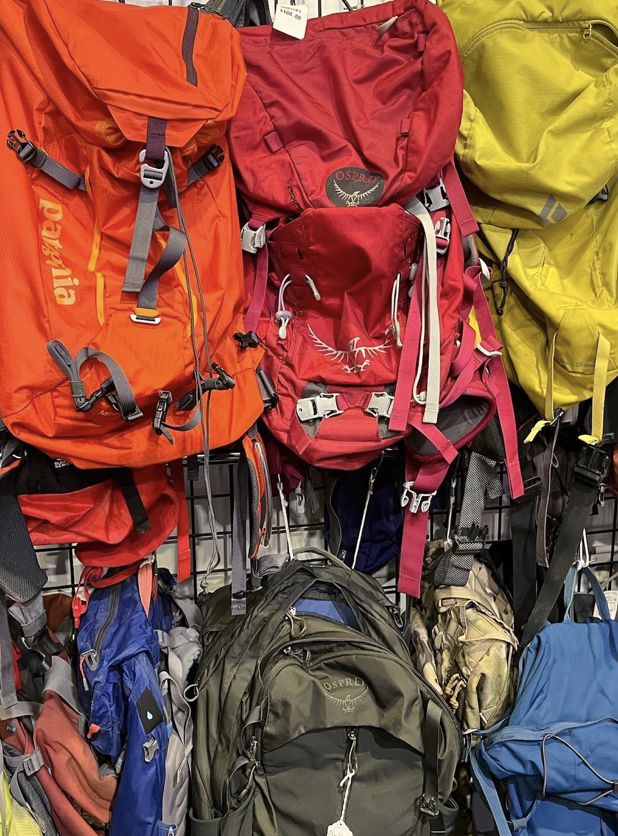
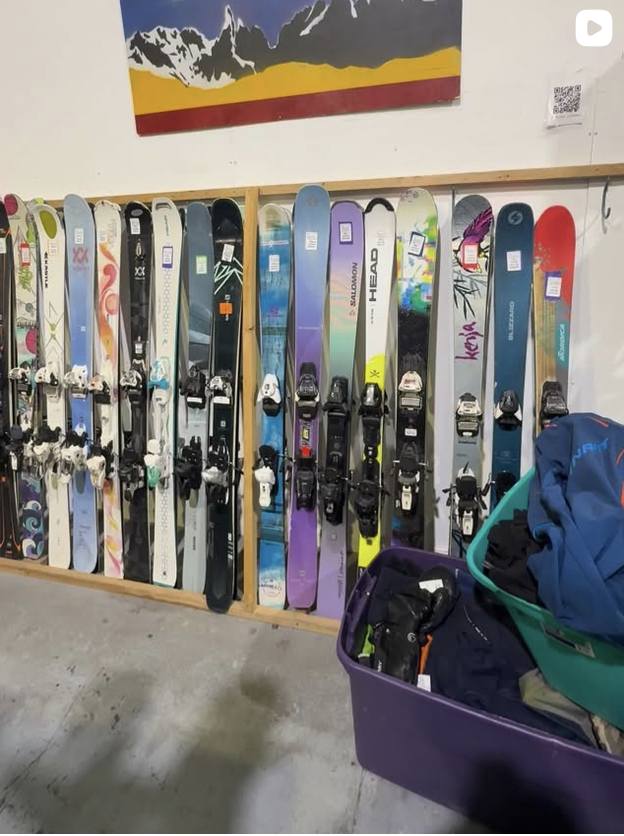
Photos provided by @RaggedMountainSports IG
“The best thing people can do is keep things in circulation for as long as possible.”
Where to Start in the Roaring Fork Valley
If you want to keep your impact local and avoid shipping, these valley-specific shopping, repair, and upcycle spots are your best bet:
THRIFT & CONSIGN YOUR CLOTHING
-
Aspen Thrift Shop – An essential stop for everything from high-end ski wear to affordable household basics.
Susie's Aspen – Best for designer labels and seasonal high-end apparel with a boutique feel.
Little Bird — ??
-
Heirlooms — Known for upscale women’s fashion and high standards in a "treasure hunt" atmosphere.
Susie's at Willits – A modern, accessible shop for contemporary everyday brands.
-
LuLu's Thrift Shoppe – A fun, eclectic hub for unique vintage pieces and affordable daily clothing.
Community Thrift and Treasures – Features a massive "Motherlode" of hard goods like skis, snowboards, and furniture.
-
ARC Thrift Stores – The region's largest redistribution center and a major hub for textile recycling.
Defiance Thrift Store – A traditional shop supporting local hospice and healthcare initiatives.
BUY SECOND-HAND GEAR!
-
Ragged Mountain Sports – The heart of the gear community, specializing in technical outdoor apparel and equipment.
-
Replay GWS – A practical, no-frills shop for team sports equipment and seasonal mountain gear.
UPCYCLE OLD FAVORITES
-
Rio Grande Recycle Center – Located on Rio Grande Place, they accept clothing, sheets, and shoes in good condition.
-
Community Thrift (Cattle Creek) – A primary destination for "un-sellable" textiles to ensure they are diverted from the landfill.
RECYCLE WHAT CAN’T BE REUSED OR REPURPOSED
-
Rio Grande Recycle Center – Located on Rio Grande Place, they accept clothing, sheets, and shoes in good condition.
-
Community Thrift (Cattle Creek) – A primary destination for "un-sellable" textiles to ensure they are diverted from the landfill.
The MOST important thing you can do:
Share what you learn with your network!
Real change in fashion spreads through example. When people repair gear, buy secondhand, and share what they’ve learned with friends and neighbors, those habits become contagious.
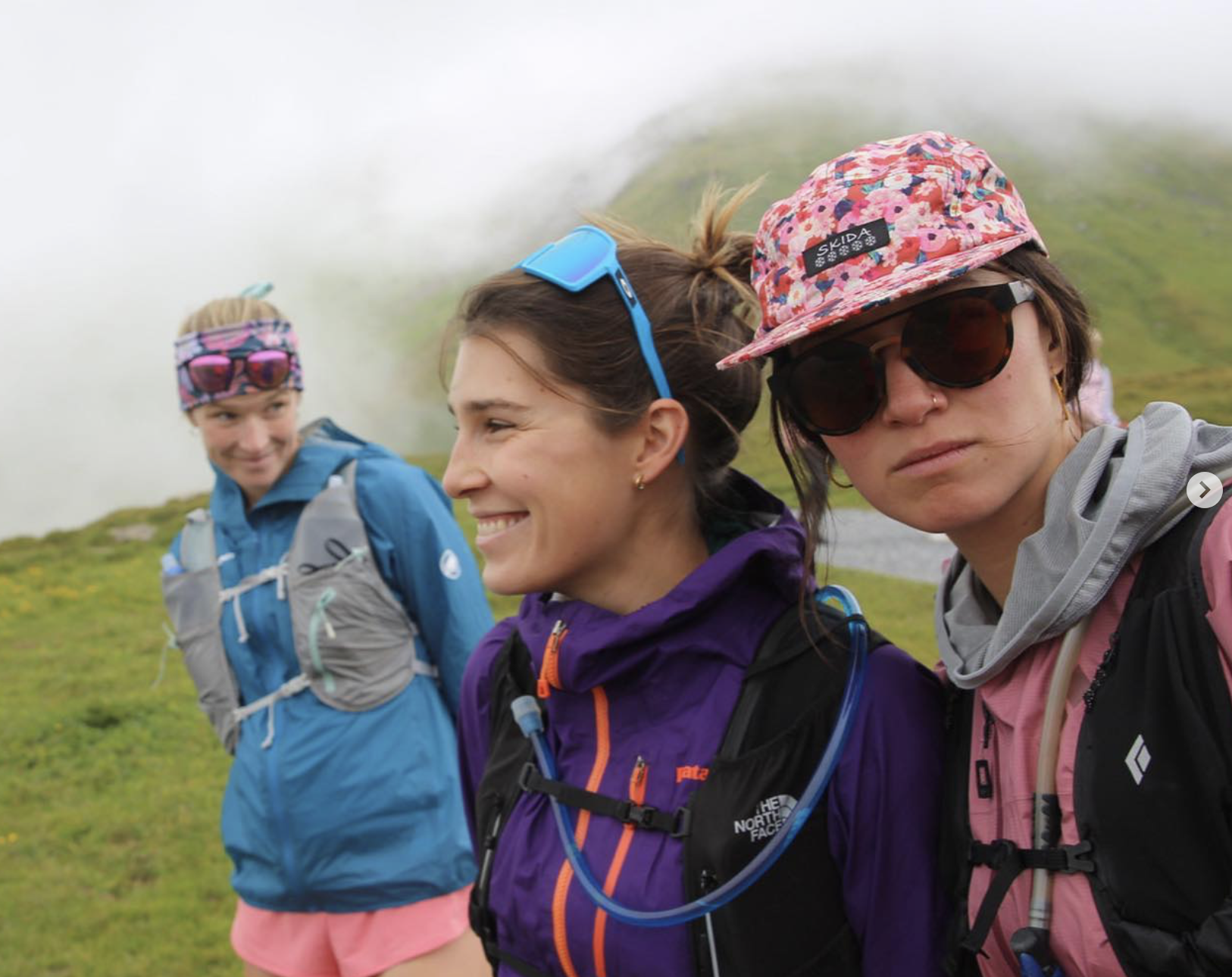
As Aisha puts it, “The best thing people can do is keep things in circulation for as long as possible.” By modeling that mindset—and passing the knowledge along—individual choices can ripple outward through an entire community.
Photo provided by @AishaWeinhold IG
Resources to explore
If you are inspired to learn more about the overlap of food and climate within our valley and more broadly, there are plenty of resources to explore.
MUST Watch Movie!
The True Cost: A groundbreaking documentary that pulls back the curtain on the human and environmental price of the global fast-fashion industry.
Podcasts and Talks by our favorite Climate Heroes!
“The High Cost of Fast Fashion”: A deep-dive episode from the How to Save a Planet podcast.
“Wardrobe Crisis” with Clare Press: A podcast dedicated to sustainability, ethical production, and the future of fashion.
Websites and Online Tools & Inspiration
The Ellen MacArthur Foundation (Circular Fashion)
Check Your Brand: Good On You: A world-leading source for trusted brand ratings, helping you understand the impact of labels on people, the planet, and animals.
Microplastic Awareness: The Microfibre Consortium: Tools to understand how synthetic fabrics (like fleece) impact our water systems during every wash.

Books and Articles
The Day the World Stops Shopping; by J.B. MacKinnon: A thought-provoking look at what happens to the environment when we pivot away from "newness."
Patagonia’s "The Responsible Company"; by Yvon Chouinard: Essential reading for understanding how a brand can prioritize the planet over profit.
"The Life Cycle of a T-Shirt": An infographic or article (via TED-Ed) that tracks the carbon and water footprint of a single cotton garment from farm to landfill.

We encourage you to continue learning.
Come to Mtn Bio’s events to connect with local experts, learn about new initiatives, and discover more ways you can be a part of the climate solution, one action at a time!