
From Passion To Action
A Guide to Water Wise Actions in the Roaring Fork Valley:
AUSTIN’S STORY
In the Roaring Fork Valley, we hear the river in the spring, see snow under our skis, and watch sprinklers irrigating hayfields by the road. Water is our backdrop, but not typically our focus. For native Basaltine Austin Corona, water was central to his upbringing. Growing up with a father who was both a raft guide and a water lawyer, Austin spent family vacations floating in the canyon cathedrals of the Southwest, awed by wild rivers. But he also learned something watching his father litigate water rights in the valley, “water is currency in the West,” he says, “it’s fought over and politicized”. The duality of rivers as nature and economic engine inspired him to become a climate journalist.
Austin became aware of the effect of climate change on water availability when he began following NOAA’s runoff forecasts for his reporting. He saw how dry forecasts could plunge water managers into emergency planning crises, affecting industries like skiing and ranching, and directly limiting the growth of communities in the West.
Moved to educate the public about water, Austin learned something important about an individual’s impact on municipal or conservation water systems: If you conserve water in your home, it doesn’t necessarily put water back in the river. Often, you need politics for that.
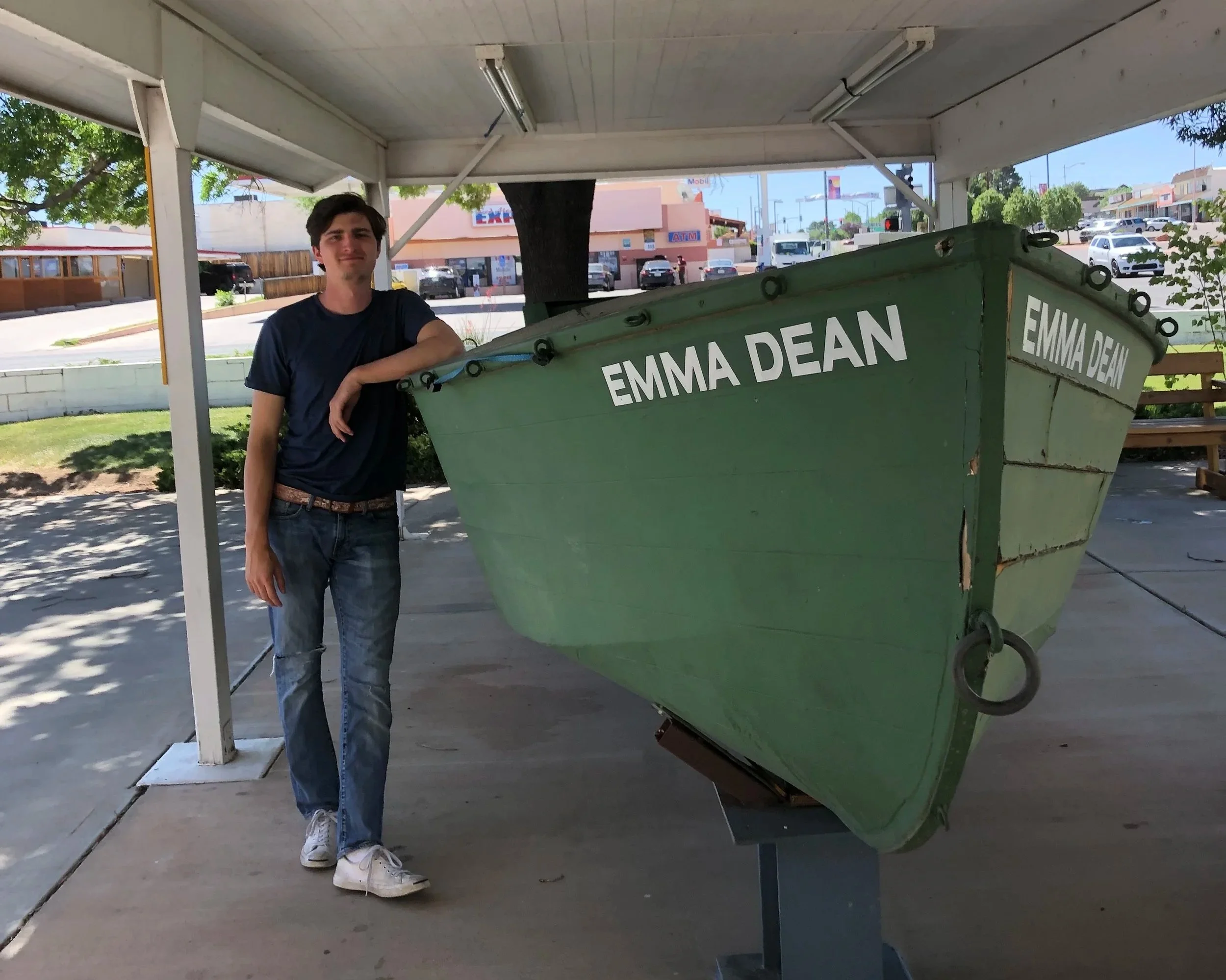

“Many people have a simplistic idea of conserving water: using less is good, and using more is bad. The problem is that many of our rivers are already overallocated, meaning any water you conserve could just get used by someone else and the river could remain under the same stress. Effective conservation is often targeted, ensuring that conserved water actually benefits the people or places you support. It's really important to communicate with an expert or work with an organization that is aware of how water works in your region. They can help you support the ecosystems or communities you love.”
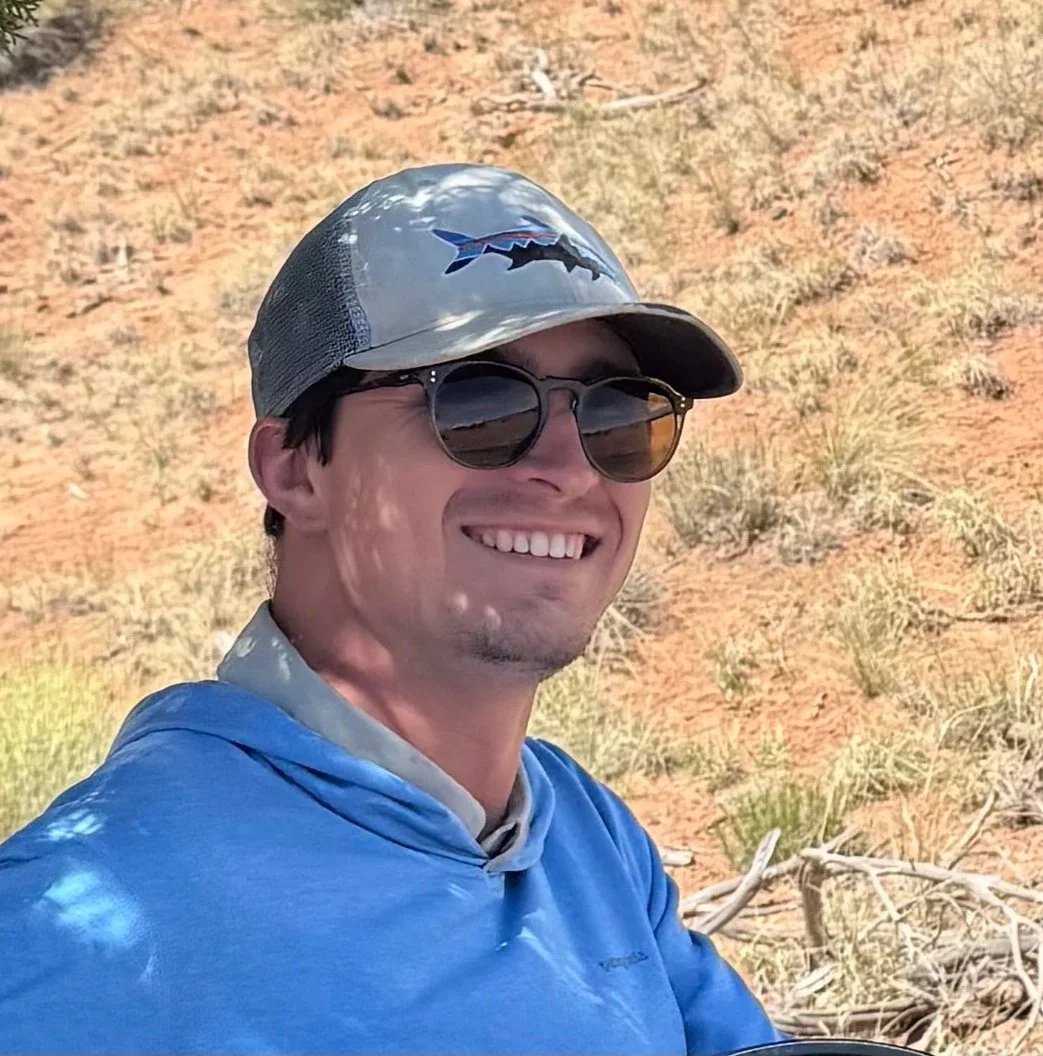
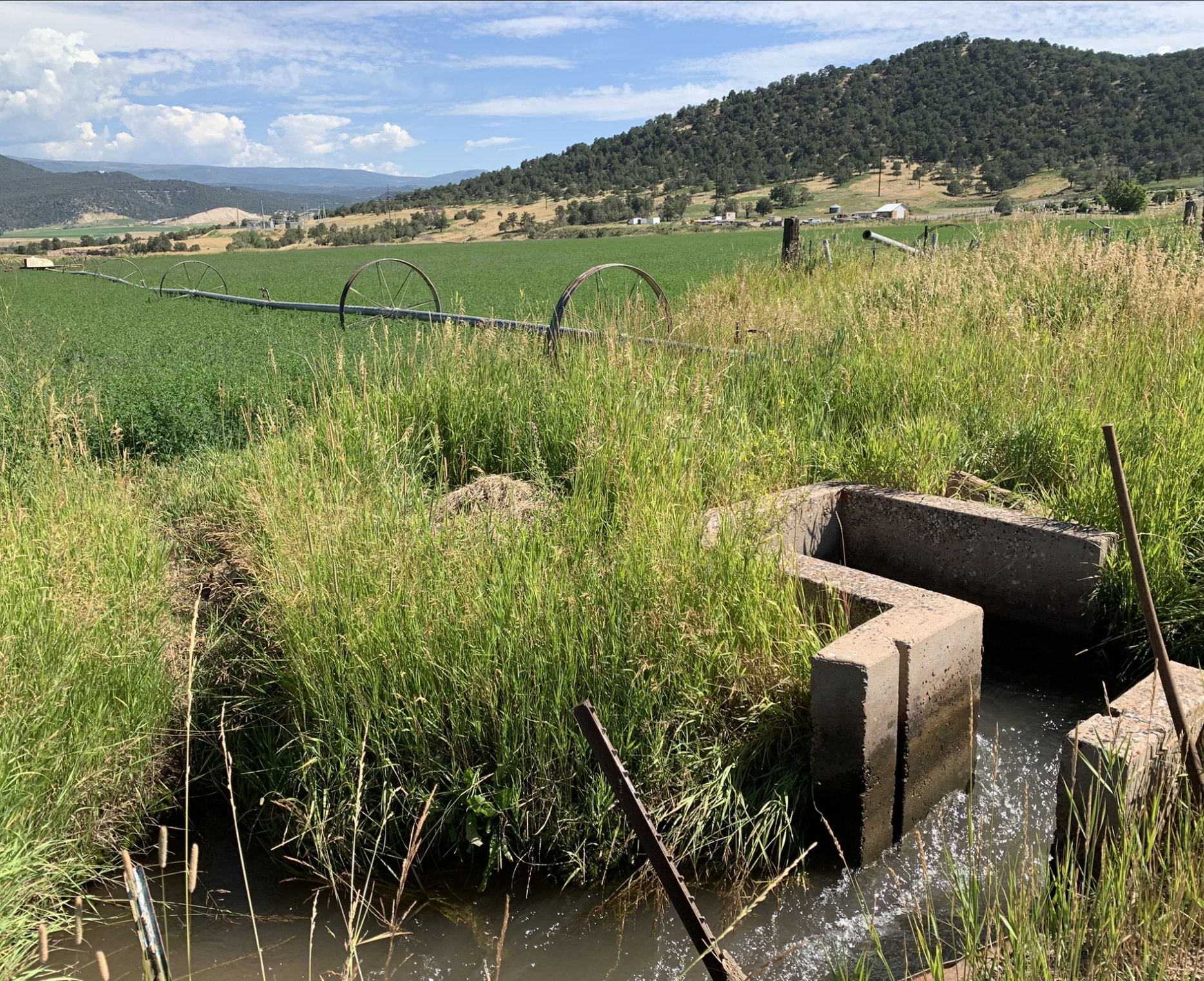
Photos by Colorado Water Trust, Catherine Ward, and the RF Conservancy.
Reframing conservation vs. use is key to understanding Water in the West.
We need to focus on getting the, “RIGHT water, to the RIGHT place, at the RIGHT time.”
We can do that by prioritizing two questions:
“What does this watershed need to stay healthy, and how do we support that?”
“What do our communities need to stay healthy, and how do we use our water creatively and equitably to achieve that?”
Simply using less water does not always translate into benefits for the environment. Advocating for water rights to protect the environment or excluded populations, while regulating water consumption for new developments is critical to wise and ethical management. We also need to figure out how to do more with less water. When systems are designed well—grey water systems, green infrastructure, permeable surfaces, smart irrigation, leak detection—people don’t have to choose between use and conservation. The system does the conserving for them.
Water Action You Can Take
Local action is the best. Water in the West is a precious resource impacted by current policies and historic laws that can get overwhelmingly complex. That said, caring for our watershed is essential to maintain the health of our ecosystems and communities, and also supports all the ecosystems and communities downstream.
Educate Yourself on where your water comes from, where it goes, and the impacts of drought or flood on your community.
Support Nature (Beavers and Wetlands): Restoring beavers and their wetlands is a cost-effective way to slow water during floods, fill alluvial aquifers, and create resilient watersheds.
Focus Your Efforts where and how you want the water to flow, ie. adapting to water stress for communities, securing water rights for tribes, or getting creative with the using water for agriculture or development.
Advocate for "Instream Flows" and Innovative Legal Strategies: We can support legal changes that designate water rights for rivers or natural areas. Using these legally enforceable tools ensures that water actually reaches the ecosystems that need it most.
Invest in Water-Saving Systems: To relieve stress on the water system, support investments in drought resistant landscaping, replacing leaky pipes, installing water-efficient agricultural and sprinkler systems, and support your town’s advanced metering systems (AGI).
Use Water’s Political Capital When Advocating for Climate Change: Water flows across the aisle - use water as a compelling reason to fight climate change when you’re talking with community members and peers.
Come to “Reimagining Water in the West” with Mtn Bio, February 24th! Learn more and explore how we are rising to the challenge of doing more with less.


Be water-wise!
Where to Start in the Roaring Fork Valley
The Roaring Fork Valley has specific relationships with its water sources. Connecting with local experts is the best way to determine which actions will meet your specific goals.
-
Aspen Water: Aspen’s water policies and information is comprehensive and includes innovative challenge programs desgined to inspire landscapers, business, and home owners to design efficient systems and create wise use practices.
-
Basalt Water Conservancy District and the Town of Basalt manage the policy and distrubtion of water. Their Master Plan is accessible from their website.
The Basalt Green Team is a great place to start a dialogue about any questions or areas of concern.
-
Town of Carbondale Water Department is a good source of basic information and the staff at townhall can answer questions. If you want to discuss areas of concern, the Carbondale Environmental Board meetings are a good place to start.
-
City of Glenwood Springs’ Water Department is conprehensive and offers rebates for water-savings appliances, fixtures, and landscaping! They also have a video of their treatment plant. Good stuff!
Local Goverments & Municipal Water Projects
Local & Regional Water Experts
-
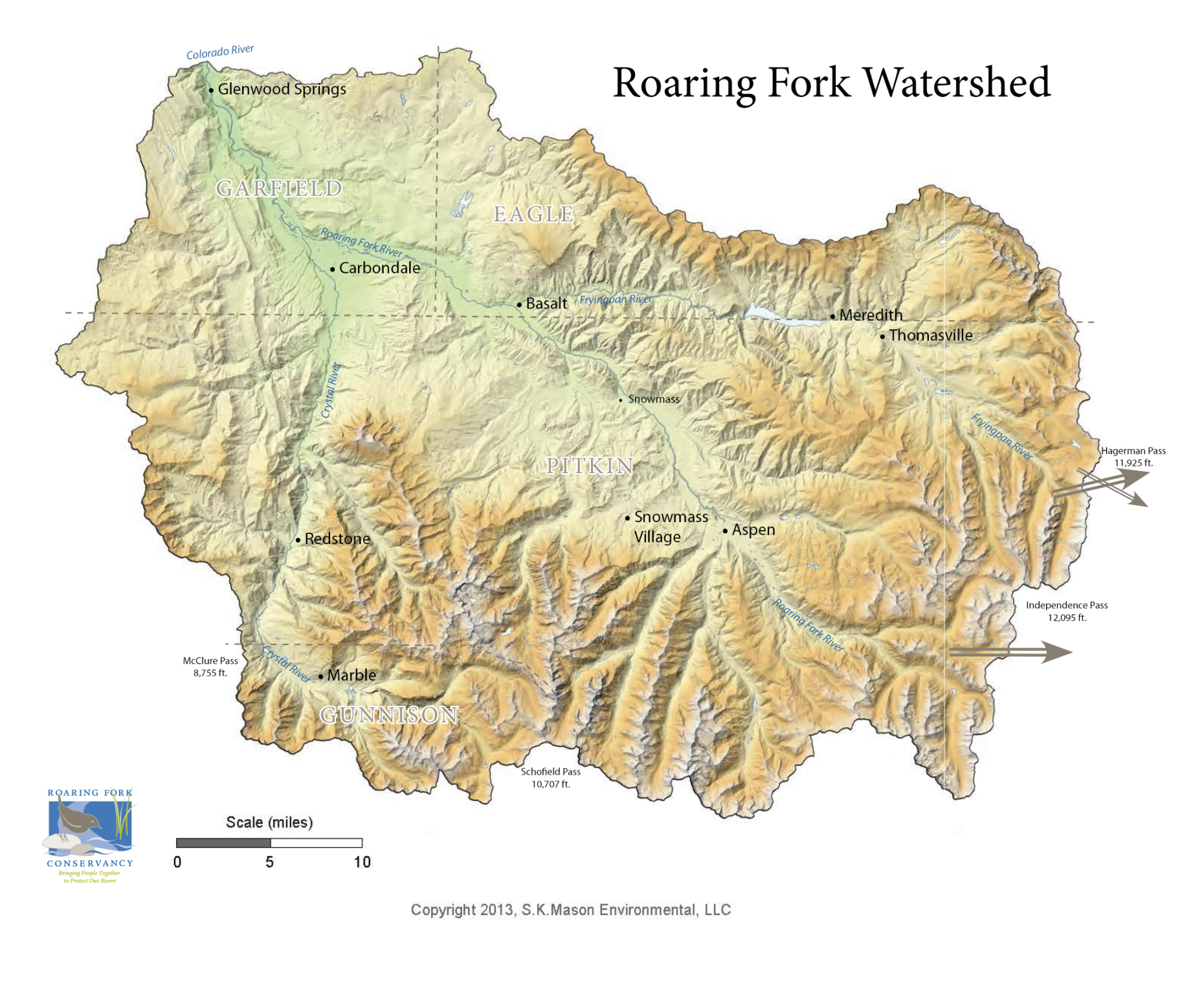
Roaring Fork Conservancy: An excellent resource for understanding local water issues and situational knowledge of the valley.
-
Middle Colorado Watershed: dedicated to enhancing and protecting the water for all uses, and the environment, in the watershed from Glenwood Canyon to De Beque. As a cross-jurisdictional organization, we find solutions to water-related issues across the region in partnership with agricultural, municipal, recreational and ecosystem users.
-
Wilderness Workshop and partners like Independence Pass Foundation and the Audubon Society support beaver restoration along with other wetland and habitat protection projects.
-
Glen Canyon Institute: We are dedicated to the restoration of Glen Canyon, and a healthy, free-flowing Colorado River through Grand Canyon.
-
American Whitewater: Our goal is to ensure that our nation’s remaining wild and free-flowing rivers stay that way, our developed rivers are restored to function and flourish, that the public has access to rivers for recreation, and that river enthusiasts are active and effective river advocates.
-
Rios to Rivers: Ríos to Rivers inspires the protection of rivers worldwide by investing in underserved and Indigenous youth who are intimately connected to their local waters and supporting them in their development as the next generation of environmental stewards.
-
Western Resource Advocates: At WRA, we are driving evidence-based solutions to the climate crisis, bringing experts, decision makers, and advocates together to protect and sustain the environment, economy, and people of the Interior West.
-
Colorado Water Trust: An organization that leverages legal structures to restore flows to Colorado’s rivers.ption
-
Water Education Colorado: provides community membership, leadership training, educational resources and programming to ensure Coloradans are both knowledgeable about key water issues and equipped to make smart decisions for a sustainable water future.
Austin’s perspective shifted when he realized that the consequences of an overallocated water system aren't about a sudden apocalypse, but about the slow, underlying changes to our communities and ecosystems, like more expensive housing or desertification. He emphasizes that because water works at a collective level, individual action is most effective when guided by those who know the regional context.
Your Next Step
Decide what you want to protect, whether it is your municipal supply or the environment, and reach out to a local organization to find a program that fits that goal. Acting as part of an organized group is the most effective way to ensure water is used wisely and directed toward the natural places that need help.
Individual Call to Action
Resources to Explore
If you are inspired to learn more about the overlap of food and climate within our valley and more broadly, there are plenty of resources to explore.
MUST Watch Movie!
American Southwest: a beautiful film about the policies, animals, and people that shape the Colorado River.
Save the Farm, Save the Future: a documentary that explores the innovative climate solution of argovoltaics and the ways it could benefit water and climate in the West.
Podcasts and Talks by our favorite Climate Heroes!
Water Conversations (Austin Corona’s Blog): Explores individuals in the water system across the West, navigating the complexities of our interconnected system.
InkStain (John Fleck’s Blog): Accessible, expert commentary on Colorado River Basin news from a public-interest perspective.
Websites and Online Tools
Use the Roaring Fork Conservancy’s Watershed Tool to learn about our watershed.
Water Year Forecasts: Follow the Colorado Basin River Forecast Center to see the climate-water connection in real-time.

Books and Articles
The Emerald Mile by Kevin Fedarko (book): Explains a great deal about the river system through a compelling narrative.
Beyond the 100th Meridian by Wallace Stegner (book): A foundational text for understanding the arid West.
Precious as Blood: A specific look at the history and future of Colorado water
Life After Deadpool by Zak Podmore: Explores the future of Lake Powell and the Colorado River Compact.
Is A River Alive by Robert MacFarlane: A adventurous and philosophical examination of what it means to be ‘alive’ and ethical extension of rights to nature.

We encourage you to continue learning.
Come to Mtn Bio’s events to connect with local experts, learn about new initiatives, and discover more ways you can be a part of the climate solution, one action at a time!